Upgrade Modal






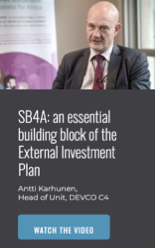
The Sustainable Business for Africa (SB4A) platform is an initiative to help EU staff in headquarters and in African delegations engage in a structured dialogue with the local and European private sector.
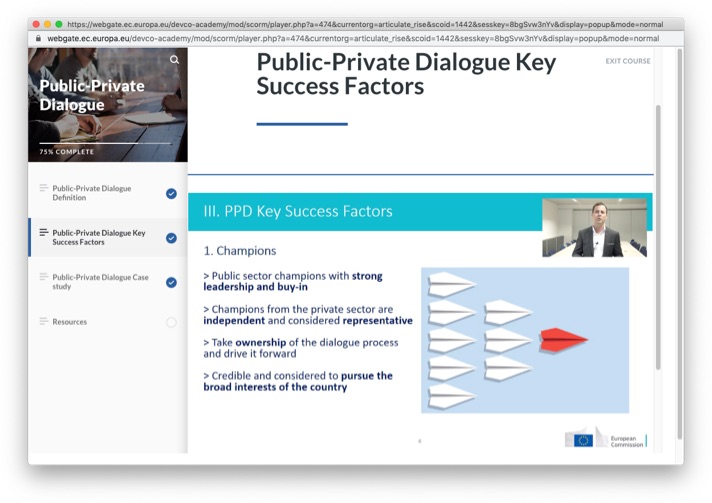
This interactive application will provide you with concrete examples and advice on public-private dialogue. Explore to find practical tips on how to implement public-private dialogue, understand key concepts and policy background.
There are three key concepts that drive the implementation and success of the SB4A.
They are Private Sector Engagement (PSE), Structured Dialogue and Public-Private Dialogue. Understanding each is a necessary step to implement SB4A initiatives.
Click on the icons below to find out more...

Facilitating dialogue between public and private stakeholders is not an easy task. But with some method and organisation, it can be powerful and rewarding. Click on each icon below to ensure efficient public-private dialogue facilitation.

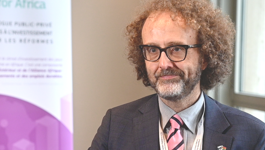
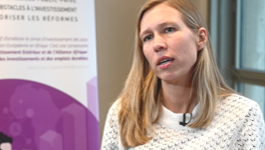
Chloé Allio, DG DEVCO,
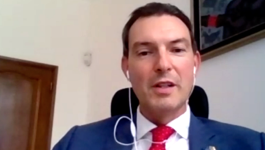
Olivier Coupleux DG TRADE, Filip Tack, Entrepreneur
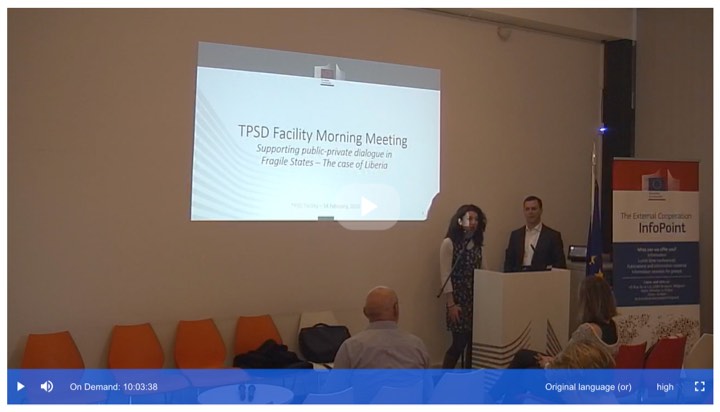
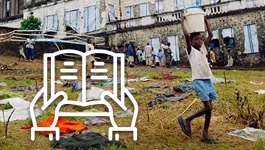
Public-Private Dialogue (PPD) is particularly useful in fragile and conflict affected states (FCAS) to mitigate entrenched interests, rebuild trust and spur inclusive and sustainable growth. Yet, PPD Facilitation is even more complex and challenging, and calls for specific actions.
François Kacen,
TPSD Facility Expert

François Kacen,
TPSD Facility Expert
Julien Ayme,
TPSD Facility Expert

Pierre Berthelot,
TPSD Facility Expert
The coronavirus pandemic that started late 2019 / early 2020 and the restrictive measures taken all over the world to reduce the spread of the virus have had dramatic impact on our global economies, and in particular on those of developing countries.

Facilitating private-public dialogue starts with a good understanding of who the private sector actors are in a given countries. Identifying small and big companies, formal and informal businessess, associations or NGOs through a mapping exercise is key to a successful PPD process.


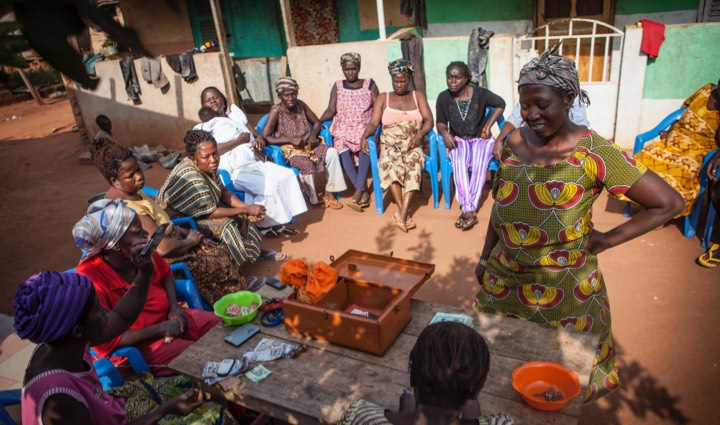
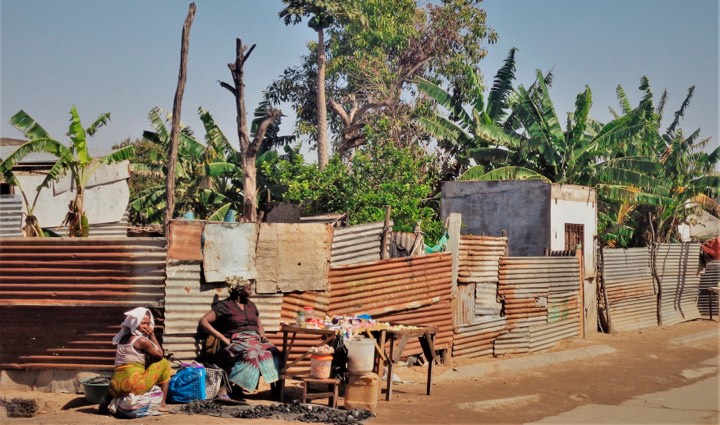
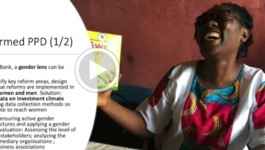
Private sector is diverse, and public-private consultations should reflect this granularity. Marginalised groups such as women entrepreneurs, youth entrepreneurs and the informal sector, form major parts of economic activities but are frequently unorganised and under-represented in PPDs. Some businesses have a greater capacity to represent themselves within these processes than others: large, urban, formal sector, male-managed firms have more important financial and organisational capacity to participate than smaller, rural, informal, and women-owned firms.

According to the public-private dialogue Charter, Monitoring & Evaluation (M&E) is an effective tool to manage the PPD process and to demonstrate its purpose and performance. The advantages of monitoring and evaluation are numerous: M&E techniques improve overall planning of PPDs, facilitate advocacy, and increase incentives to promote more effective implementation.

François Kacen,
TPSD Facility Expert
The approaches and policies involved in the SB4A have evolved through the experiences among and dialogue between key actors from the public and private sectors. Explore the timeline below to understand the key policies and developments in the platform’s evolution.
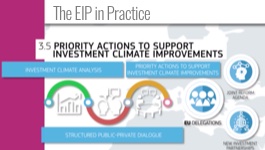
Three building blocks compose Pilar 3 and are closely interlinked:
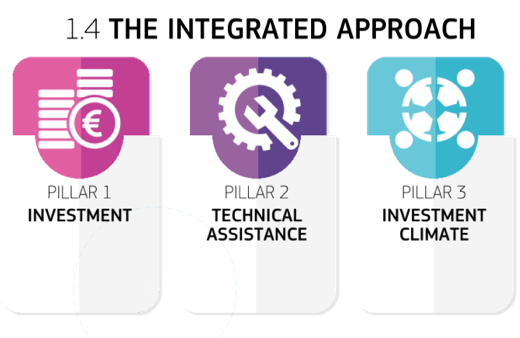
1) investment climate analysis, enhancing market intelligence with evidence-based data and country analysis, and identification of investment opportunities in key sectors and value chains – Jobs and Growth Compacts
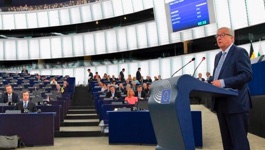
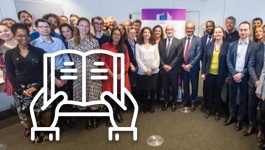
TPSD Facility Annual event 1 - Main take-aways
READ THE REPORTFrançois Kacen,
TPSD Facility Expert
Since 2017 when the SB4A platform was launched, there have been a series of key developments in the platform's evolution. Explore the timeline below to find out more about each
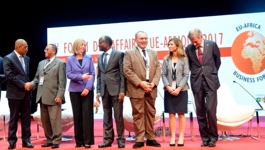
6th EU-AfricaBusiness Forum Abidjan, 27th November 2017.
watch the video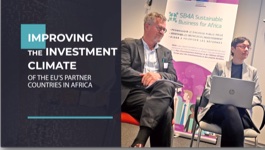
TPSD Facility Annual event 1 - Main take-aways
READ THE REPORTFrançois Kacen,
TPSD Facility Expert
Explore this section and its country profiles to learn about the structured dialogue mechanisms currently in place in Africa, their efficiency and inclusivity, and the involvement of each EU Delegation to support public-private dialogue.